MedViz Color Legend Redesign
Introducing a systematic approach to color-based data clarity.
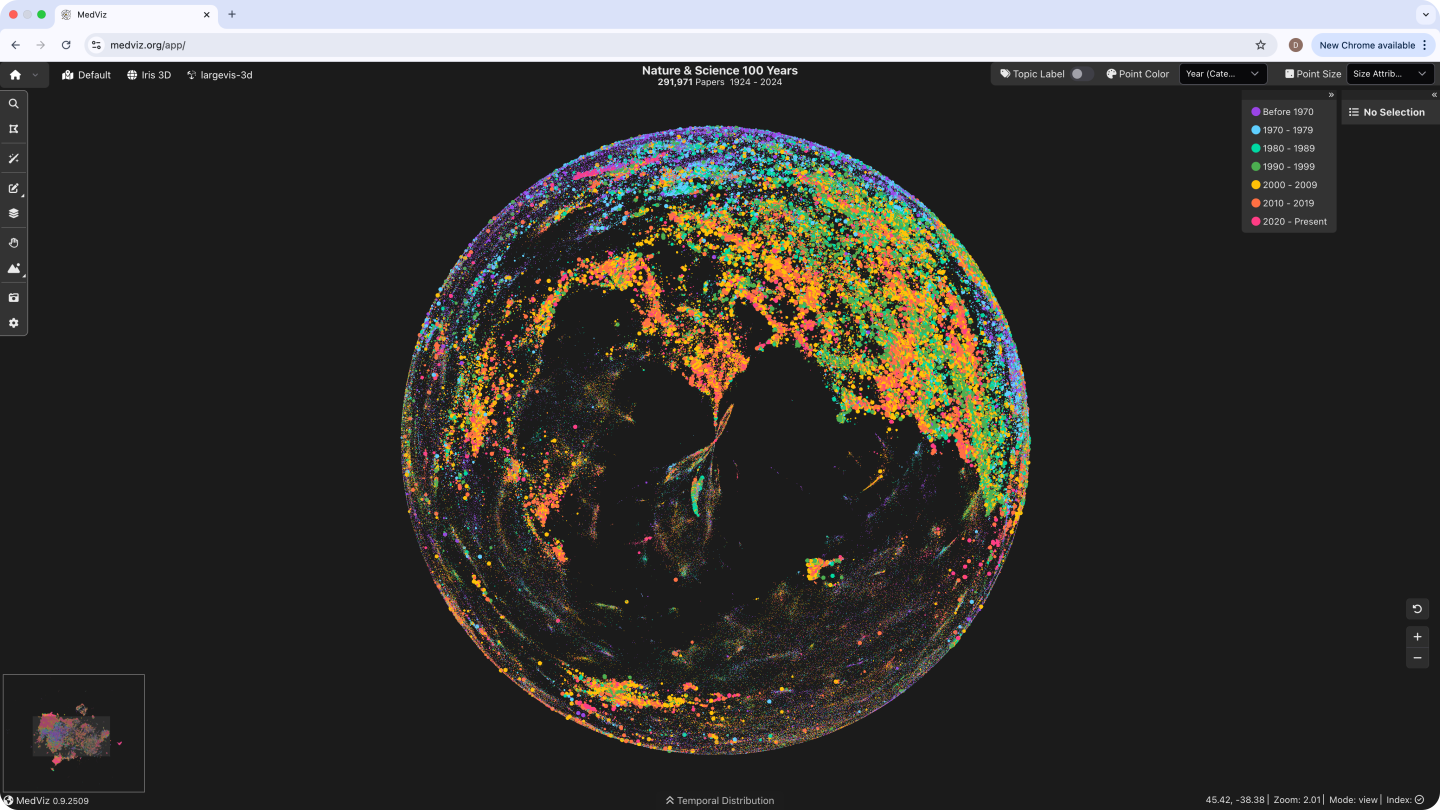
MedViz is a biomedical literature visualization platform that maps millions of research papers by topic and year. I redesigned its color legend to solve two problems: weak contrast between data categories made patterns hard to read, and an outdated palette undermined the tool's credibility. The result is a high-contrast, modern color system that makes year-specific trends immediately legible across all MedViz visualizations.
A revamped legend color system that enhances contrast, readability, and modernity, ensuring a clearer and more visually intuitive data exploration experience.
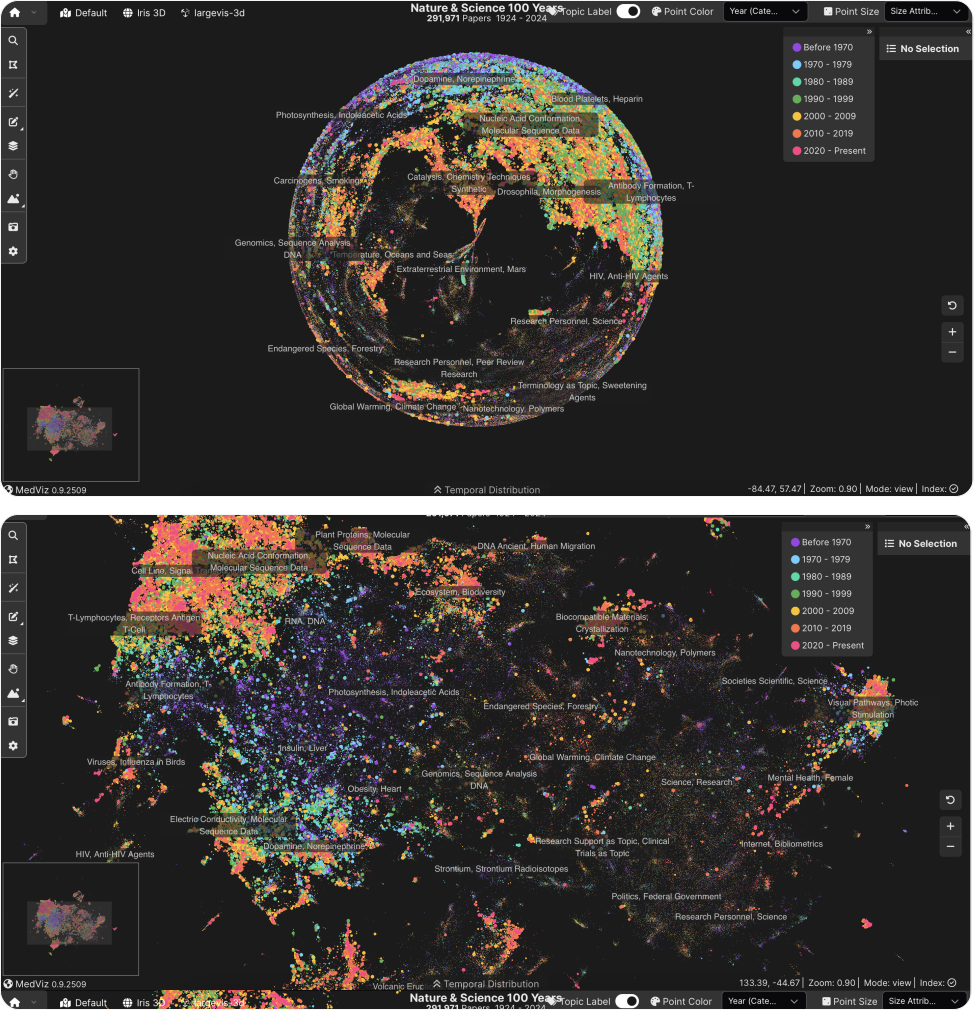
Enhancing Data Clarity: A Modernized Color Legend for MedViz
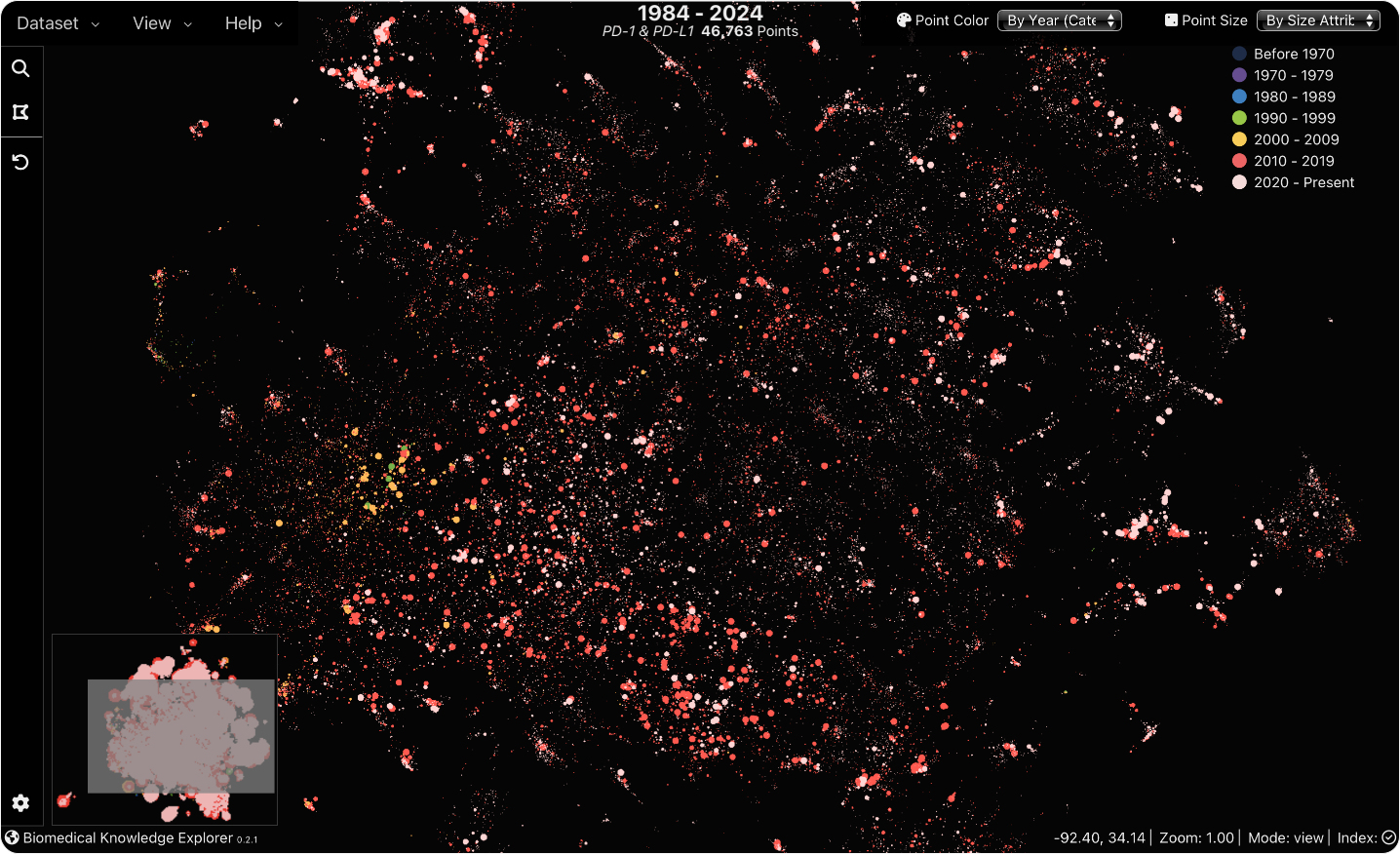
The MedViz color legend had two core problems: low contrast between data categories made the visualization hard to read, and an outdated palette undermined trust in the tool's credibility. This project set out to fix both.
Weak color contrast made it difficult to distinguish data categories. The purple shade was especially hard to read because it blended into neighboring colors.
The palette felt flat and dated. Low saturation and weak visual hierarchy made the tool look less reliable than it was.
Inspired by Nature Journal 150 for a modern and high-contrast color scheme.
- Problem IdentificationThe original colors had weak contrast, looked outdated, and didn't effectively differentiate data categories.
- Color ResearchStudied modern data visualization principles, referencing Nature Journal 150 for inspiration.
- Design & IterationBuilt an initial high-contrast palette, then refined it twice. The first pass reduced the dominance of pink caused by the data distribution. The second aligned the colors with the rainbow timeline logic.
- Launch & ReviewDeployed across MedViz visualizations. User testing confirmed improved readability and data clarity.
Beyond Aesthetics: Designing a More Intuitive and Data-Driven Color System
Initial Design: Building the New Color System
- palette Create a tech-forward visual style.
- contrast Ensure each color contrasts well against the #000000 background.
- scatter_plot Emphasize the increasing data density from 2000-present in cancer immunotherapy research datasets.
First Iteration: Enhancing Contrast and Harmonizing Tones
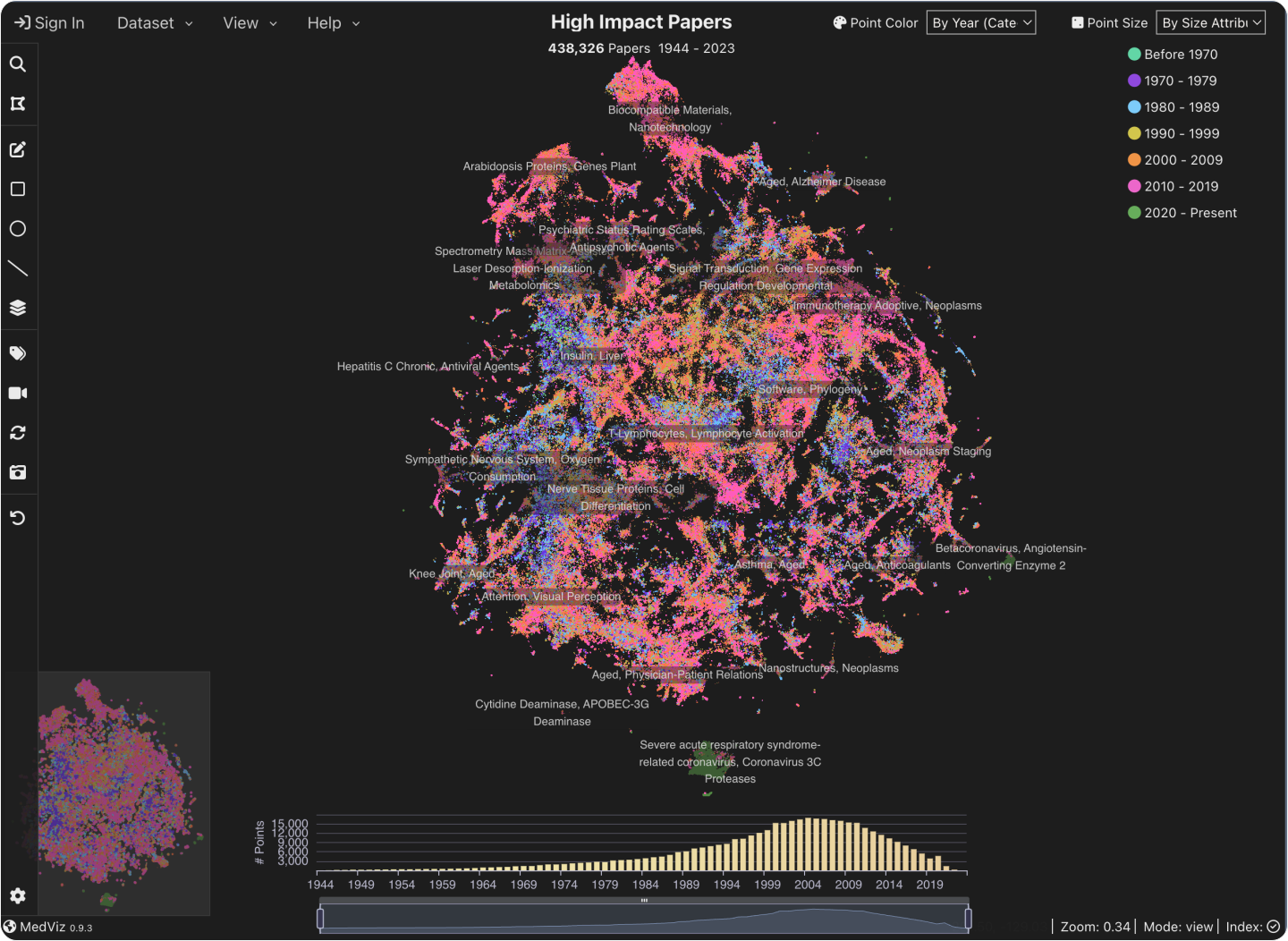
Did not account for the data distribution, leading to an overly pink-dominant appearance.
- Cool tones (green, blue, purple): Represent earlier data.
- Golden yellow (1990-1999): Marks a transition period.
- Warm tones (orange, pink): Used for recent data.
- Green and deep purple: Act as buffer colors to prevent warm colors from clustering too closely.
- The final pink shade was tweaked multiple times to balance a modern, vibrant, and high-contrast feel.
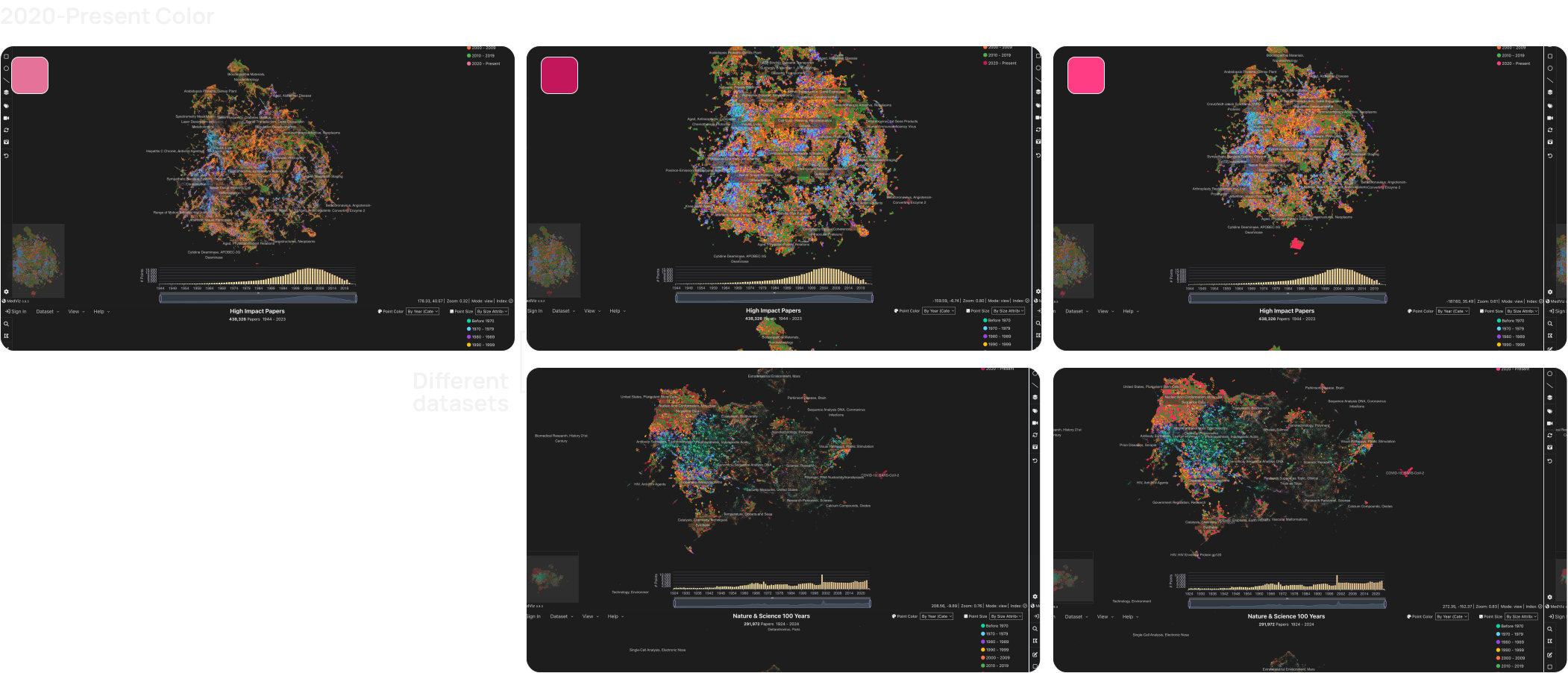
Second Iteration: Aligning with Timeline Color Logic
After internal discussions, the team decided to rearrange the colors in a rainbow-like order, following a common timeline visualization logic where earlier years are represented by cooler tones (e.g., purple, blue) and recent years transition into warmer tones (e.g., red, orange).
Testing confirmed that the new color legend improved data readability, making year-specific patterns clearer across different visualizations.
Improving color contrast significantly enhanced data clarity, making patterns more distinguishable across datasets.
Initial designs overlooked how data volume varied by year, which affected visual balance (e.g., overly pink-dominant).
Aligning the color order with timeline visualization conventions (cool to warm tones) improved intuitiveness and consistency.
The refined color system adapted well to different dataset formats, ensuring clarity regardless of visualization type.
User testing validated that the final color scheme improved readability without sacrificing the modern, high-tech aesthetic.